Carnegie Mellon University in Qatar · 2012 to 2016 · Undergraduate
70-311 Organizational Behavior
70-311
Motivation, teams, decisions, negotiation, leadership, and change, taught through Harvard cases and simulations.
About 70 to 90 students a year in Doha across two sections, and 56 in Pittsburgh in Fall 2016
This was the core organizational behavior course for business students, and the course I taught most: first in Pittsburgh as a PhD student, then every year in Doha, and again in Pittsburgh in 2016. I built it around cases and simulations: Lincoln Electric and SAS for motivation, an Everest simulation and the Carter Racing exercise for team decisions, live negotiations, and a change simulation at the end. Each year I replaced more lecture time with exercises, so students spent most of class applying a concept rather than hearing about it. Students finished by analyzing a real company of their choosing with the course's frameworks.
Week by week
Fall 2014 · Mondays and Wednesdays, two sections (10:30 and 1:30). Scroll the schedule and the slides follow along: five from each session, picked from the decks I taught from.
Part I: Management and motivation
Week 1
Introduction and course overview
Week 1
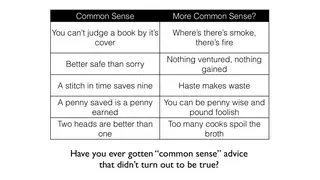
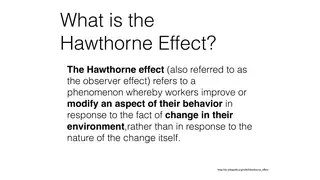
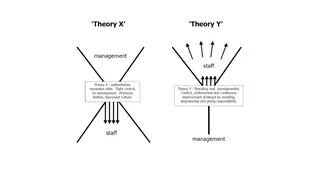
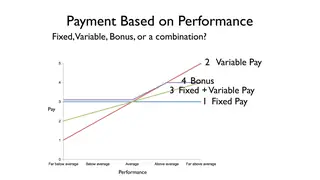
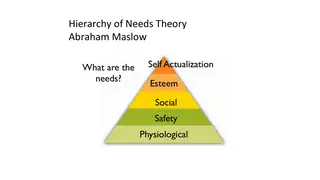
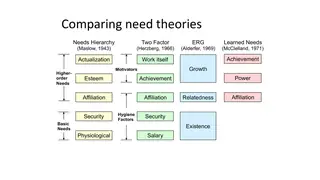
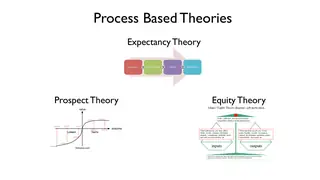
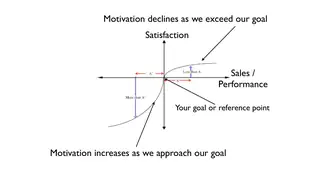
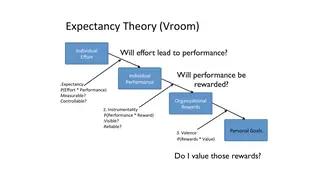
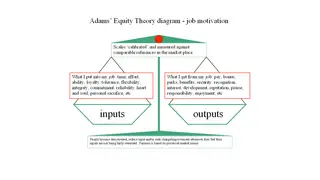
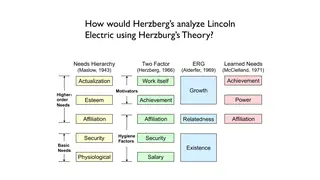
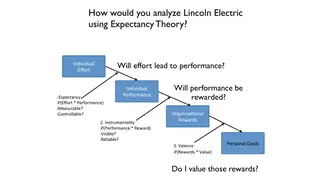
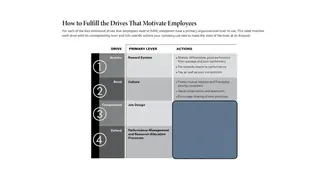
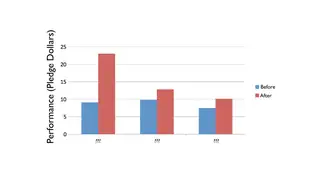
Motivation theoriesReading: Motivation: The Not-So-Secret Ingredient of High Performance
Week 2
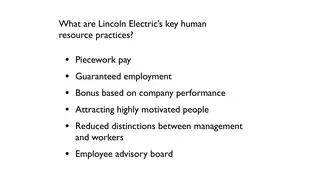
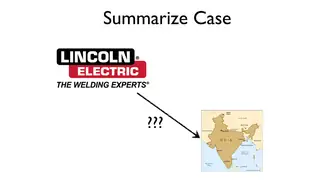
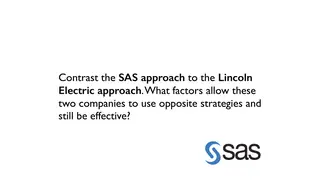
Case: Lincoln Electric (A)Case
Week 2
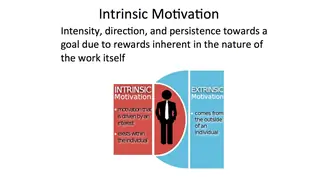
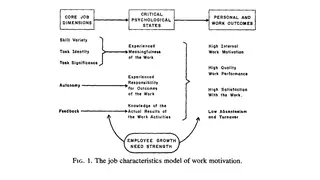
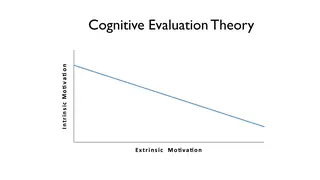
Case: Lincoln Electric (B); intrinsic motivation and job designCaseReading: Employee Motivation: A Powerful New Model
Week 3
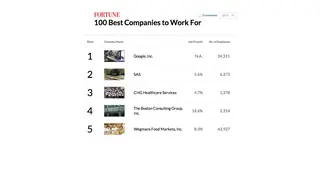
Case: SAS Institute (A)CaseAssignment 1 due
Week 3
Case: SAS Institute (B)Case
Week 4
Case: Raleigh and RosseCase
Week 4
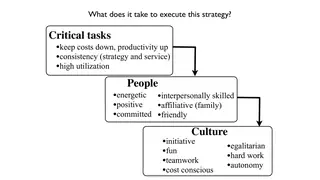
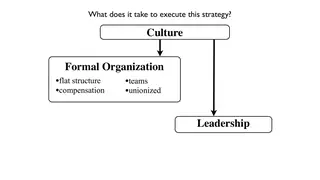
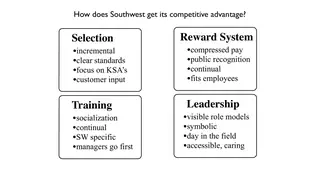
Case: Southwest Airlines, putting motivation together with strategyCase
Part II: Teams and decision making
Week 5
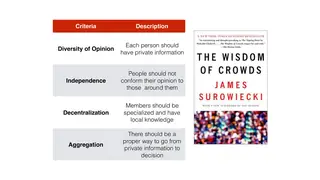
Leadership and Team Simulation: EverestIn-class exerciseHarvard online simulation, run in teams. Reading: The Hidden Traps in Decision Making
Week 5
Everest simulation debrief
Week 6
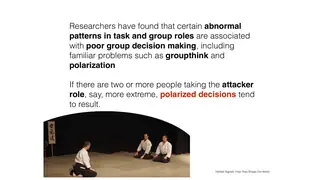
Everest 1996 debrief and group decision makingAssignment 2 due
Week 6
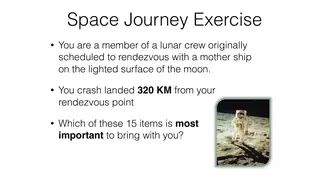
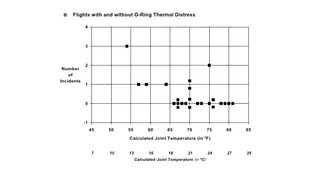
In-class case exercise: Carter RacingIn-class exercise
Week 7
Eid al-Adha breakNo class
Week 8
Review
Week 8
Exam 1
Part III: Negotiation
Week 9
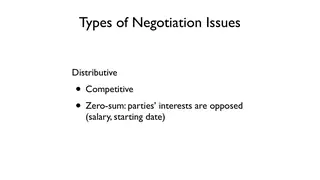
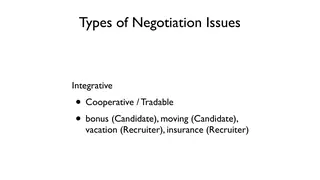
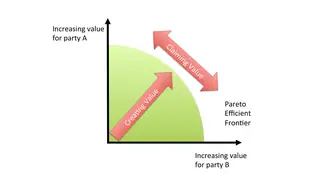
In-class negotiation: BioPharm-SeltekIn-class exerciseReading: Five Essential Strategies for Creative Negotiations
Week 9
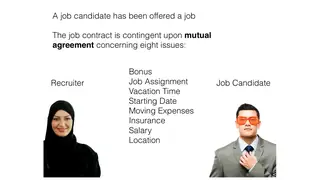
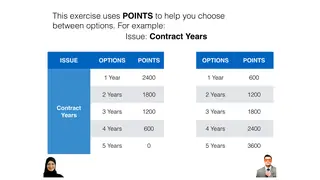
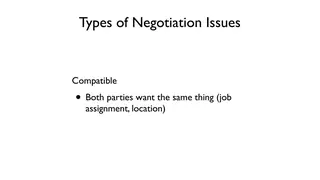
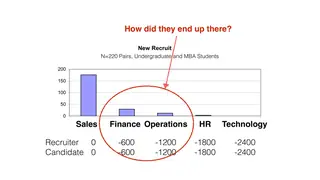
In-class negotiation: New RecruitIn-class exerciseGuest facilitators David Gray and Starling Hunter. Reading: In Global Negotiations, It's All About Trust
Week 10
OPEC simulation and the New Recruit debriefIn-class exercise
Week 10
OPEC simulation debriefAssignment 3 due
Part IV: Teams and leadership
Week 11
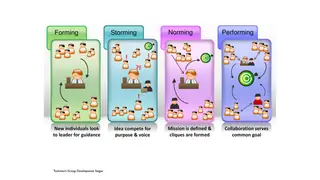
Teams: in-class case on IDEOCaseReading: A Note on Team Processes
Week 11
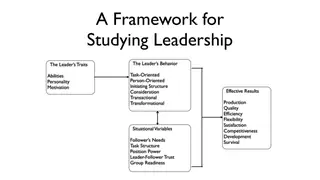
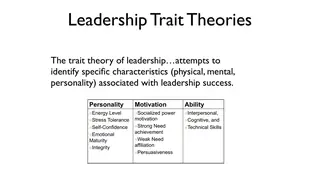
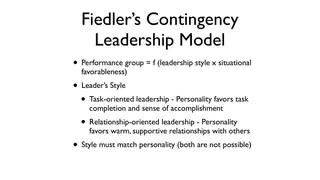
Guest lecture on leadership: Carolin Zeitler, Tataowar ConsultingReading: What Makes a Leader?
Week 12
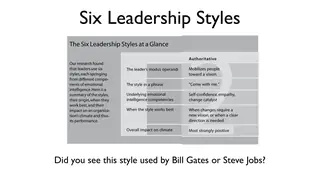
Guest lecture on personal leadership: Youssef Gaboune, Al Jazeera Media Training and Development CenterAssignment 4 due. Reading: Leadership That Gets Results
Week 12
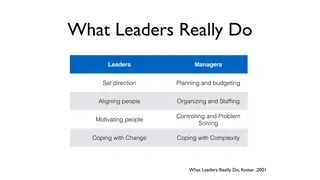
Case: Bill Gates and Steve JobsCaseReading: What Leaders Really Do
Week 13
Review
Week 13
Exam 2
Part V: Change
Week 14
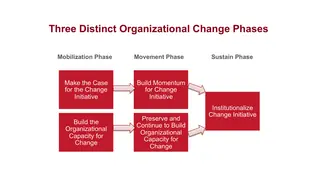
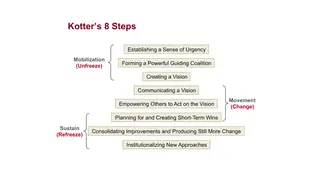
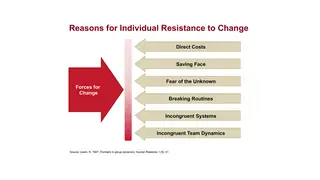
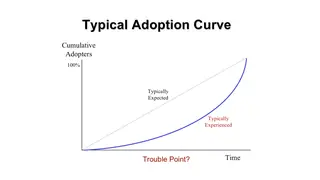
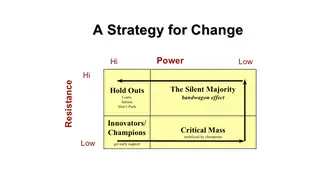
Change management simulationIn-class exerciseReading: Leading Change: Why Transformation Efforts Fail
Week 14
Change management debrief
Week 15
Final presentationsPresentations
Week 15
Final presentationsPresentations
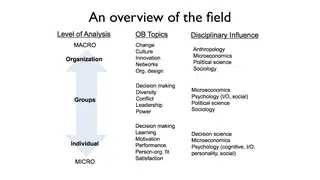
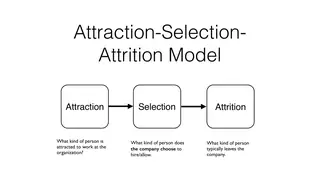
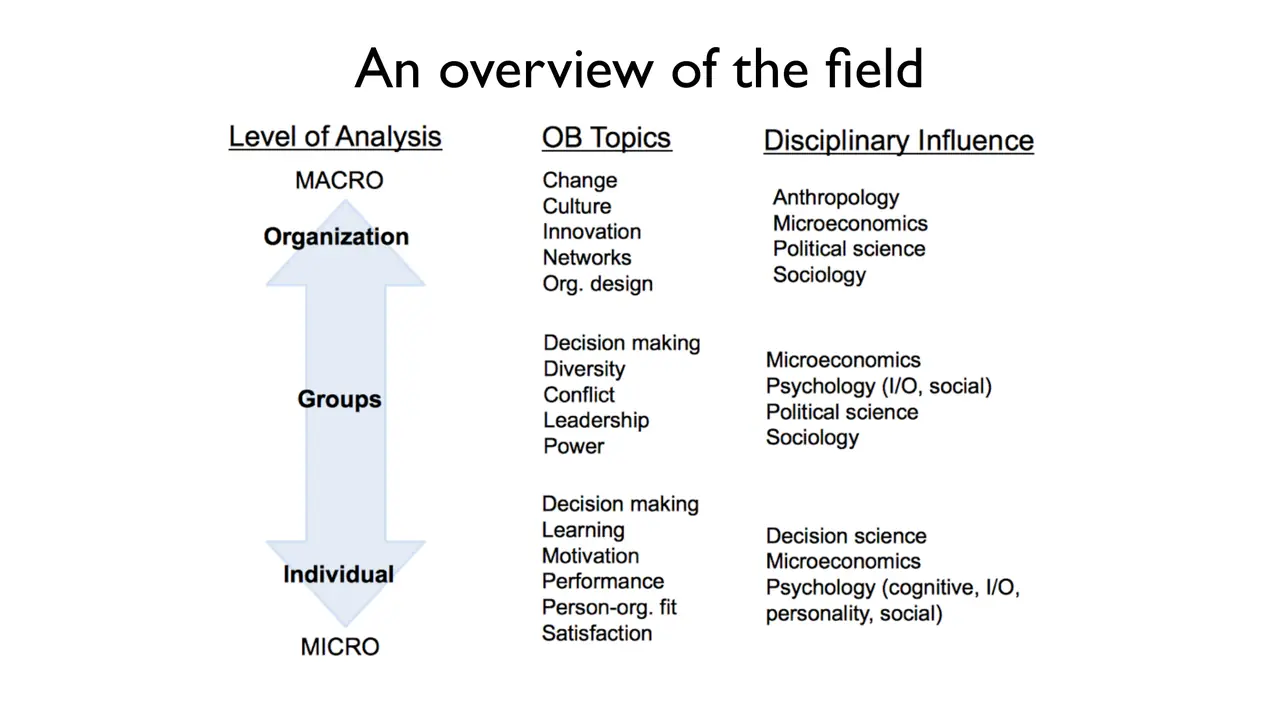
Mon, Aug 25Introduction and course overviewThree levels of analysis, from the individual up to the organization
Major assignments
Exams30%
Two non-cumulative, closed-book exams mixing multiple choice, short answer, and essay questions.
Quizzes10%
Seven open-book online quizzes on the previous one to two weeks of lectures, readings, and cases.
Group case analysis papers20%
Four papers written in randomly assigned groups. Assignment 1 analyzed the SAS Institute case. Assignment 2 analyzed the team's own Everest simulation run alongside the 1996 Everest case. Assignment 3 had groups carry out two negotiations outside class, a movie production deal and a hotel coffee contract, and report their planning, BATNAs, and outcomes. Assignment 4 compared Bill Gates, Steve Jobs, and a leader of the group's choice using Kotter, Goleman's six styles, and StrengthsFinder.
Final project20%
In self-selected groups of three to five, students analyzed a real organization using three course topics, backed by at least six sources, and recommended improvements. Each group wrote an 8 to 10 page paper and gave a five-minute presentation. Companies from earlier course cases or earlier years were off limits.
Classroom engagement20%
Discussion, in-class exercises, and iClicker questions, with some cold calling so quieter students had an equal chance to contribute. Peer evaluations after every group assignment fed into this grade.
Student work
Every project, by term.
Fall 2014 22 projects
Adidas. Looked at a sponsorship negotiation between Adidas and a sports team Leadership, motivation, negotiation
Alibaba. Centered on Jack Ma's leadership Motivation and job design, leadership, change management
Amazon (group 1). Looked at how Jeff Bezos makes decisions Motivation, decision making, leadership
Amazon (group 2)Motivation and management, teams and decision making, leadership
BCGLeadership, motivation, decision making
DisneyMotivation, leadership, negotiation
FacebookMotivation and management, leadership, negotiation
General MotorsMotivation, leadership, change management
HersheyMotivation, leadership, teams and decision making
IBMMotivation and management, leadership, change management
IKEAMotivation, leadership, negotiation
Kellogg's. Analyzed two negotiations: with Procter & Gamble and with locked-out workers in Memphis Motivation, leadership, negotiation
LEGO. Looked at how leadership pulled LEGO back from the brink Motivation, leadership, change management
Manchester United. Sir Alex Ferguson's leadership and the change after he left Motivation, leadership, change management
Marriott InternationalMotivation, leadership
NestleMotivation, leadership, change management
NetflixMotivation, leadership, change management
NikeMotivation and job design, leadership, negotiation
SwarovskiLeadership, motivation
UnileverMotivation, leadership
Virgin GroupLeadership, motivation, structure and decision making
Zappos. Looked at power shifts and resistance in the move to holacracy Leadership, change management