Carnegie Mellon University in Qatar · 2012 to 2016 · Undergraduate
70-321 Negotiation and Conflict Resolution
70-321
A negotiation every week, a debrief every week, and a real negotiation of your own at the end.
About 20 students
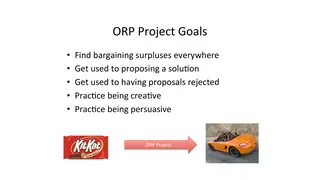
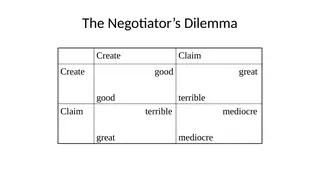
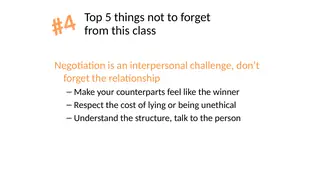
Every Monday students negotiated a role-play case against a classmate, and every Wednesday we took apart what happened: who claimed value, who created it, and what they left on the table. The cases built from a two-party price haggle to multi-party coalitions, mediation, social dilemmas, and a cross-cultural deal over a theme park. Alongside the cases, each student started the semester with a single KitKat and traded up as far as they could. The course ended with a paper on a real negotiation each student planned and carried out outside class.
Week by week
Spring 2013 · Mondays and Wednesdays. Scroll the schedule and the slides follow along: five from each session, picked from the decks I taught from.
Part I: Claiming value
Week 1
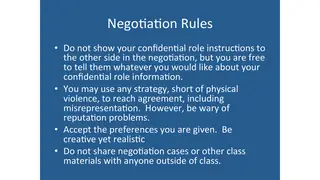
Introduction, and a first negotiation: BioPharm-Seltek
Week 1
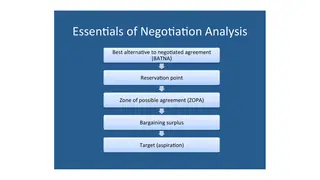
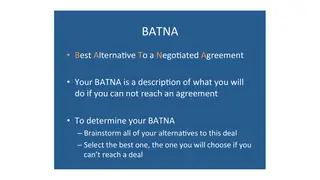
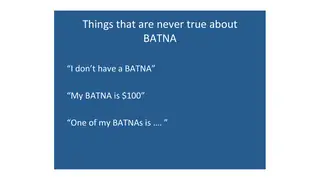
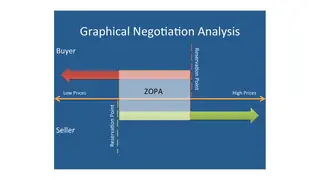
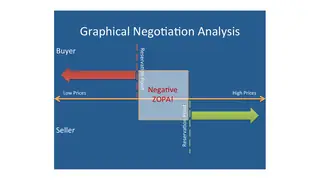
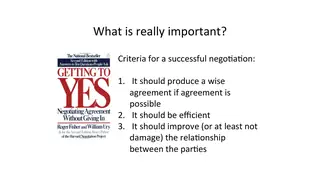
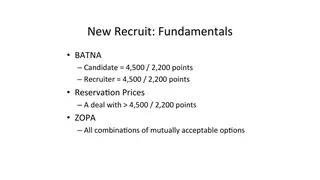
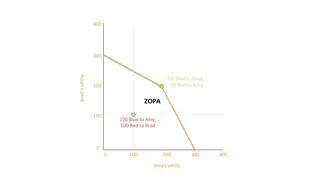
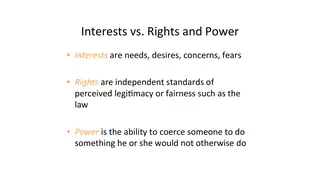
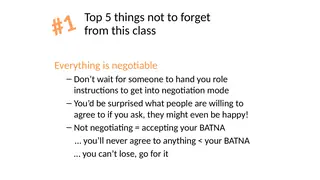
Negotiation basics: BATNA, reservation point, ZOPA
Week 2
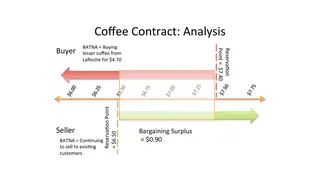
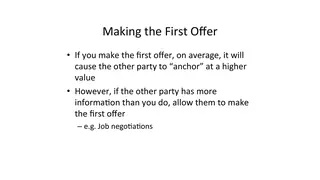
Distributive negotiation: Coffee ContractIn-class exerciseReading: Galinsky, 'Should you make the first offer?'
Week 2
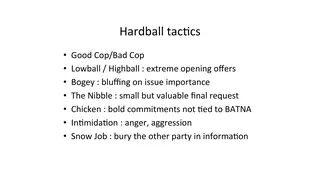
Coffee Contract debrief and distributive tactics
Part II: Creating value
Week 3
Integrative negotiation: New Recruit
Week 3
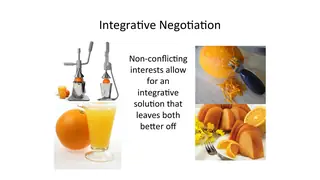
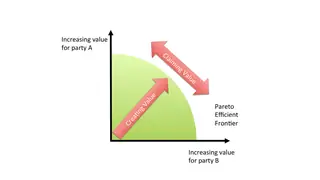
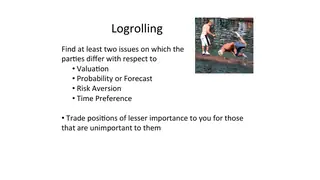
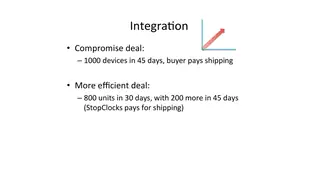
Integrative negotiation: expanding the pie
Week 4
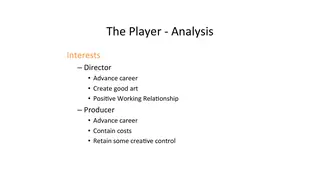
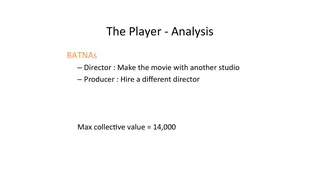
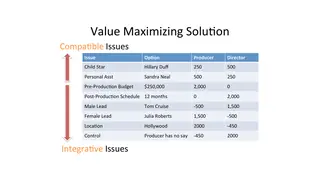
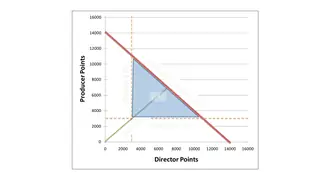
The Player: a movie deal between a director and a producerIn-class exercise
Week 4
The Player debrief
Part III: Ethics, emotion, and time
Week 5
Ethics and agents: Bullard HousesIn-class exerciseA real estate negotiation between agents who each represent a principal
Week 5
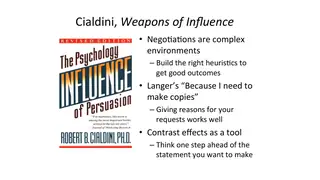
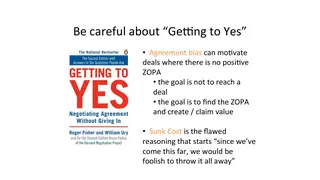
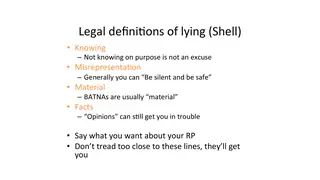
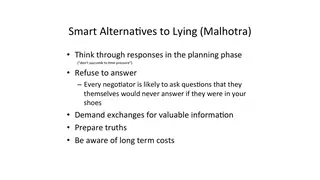
Ethics and lying
Week 6
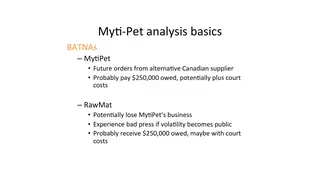
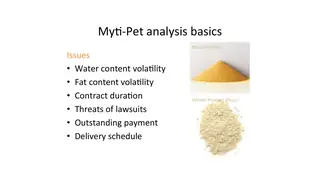
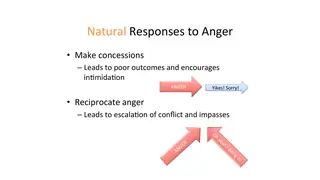
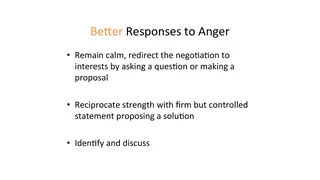
Emotions and biases: Myti-Pet
Week 7
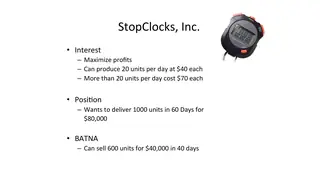
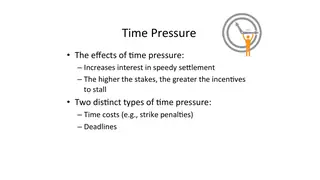
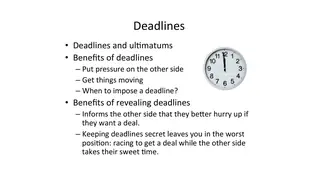
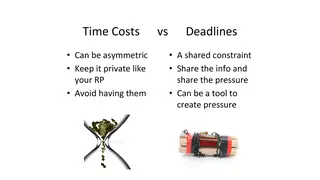
Time and strategy: Stopwatch
Week 8
Spring breakNo class
Part IV: Conflict and third parties
Week 9
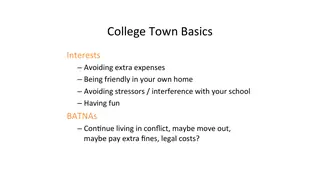
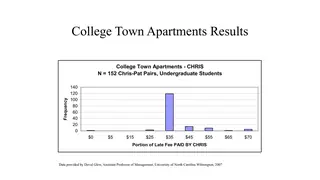
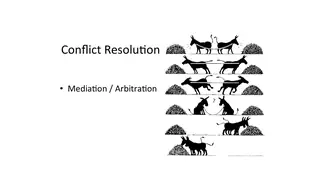
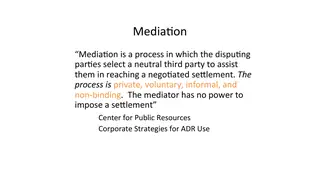
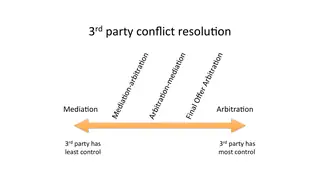
Conflict resolution: College Town, mediation and arbitrationReading: Misino on hostage negotiation
Week 10
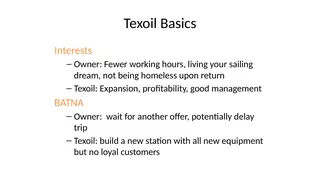
Creative options: Texoil
Week 11
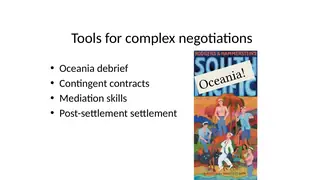
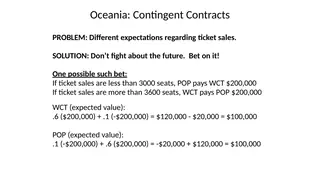
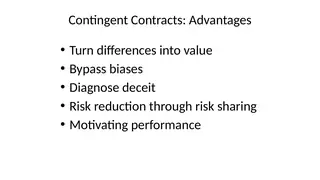
Third parties and contingent contracts: OceaniaReading: Bazerman and Gillespie on contingent contracts
Part V: Groups, dilemmas, and culture
Week 12
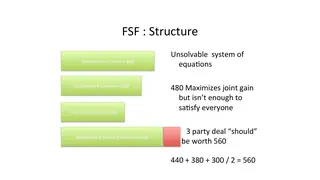
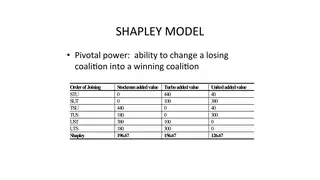
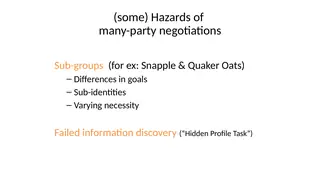
Coalitions: Federated Science Fund
Week 13
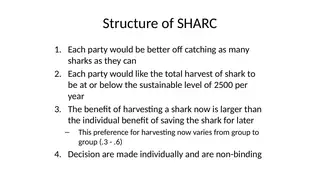
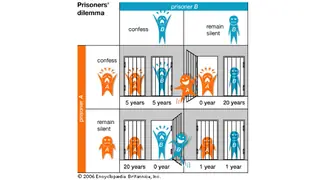
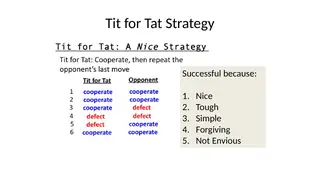
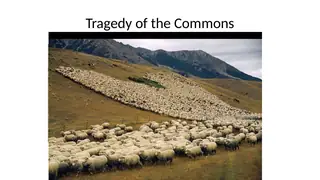
Social dilemmas: SHARCReading: Krusch on the prisoner's dilemma
Week 14
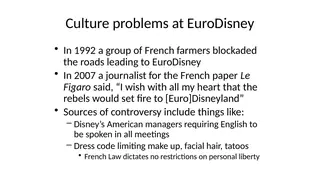
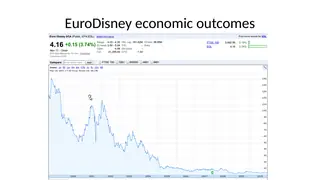
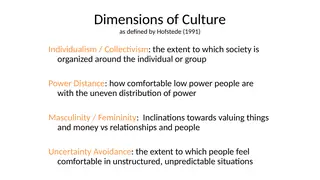
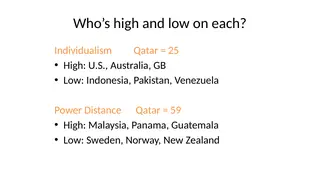
Cross-cultural negotiation: MouseReading: Brett on negotiation and culture
Week 15
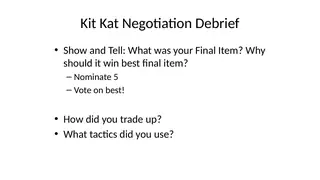
Putting it together: Best Stuff on Earth, and the KitKat debrief
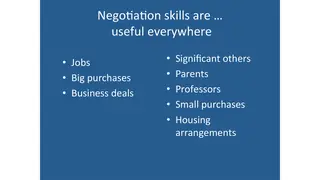
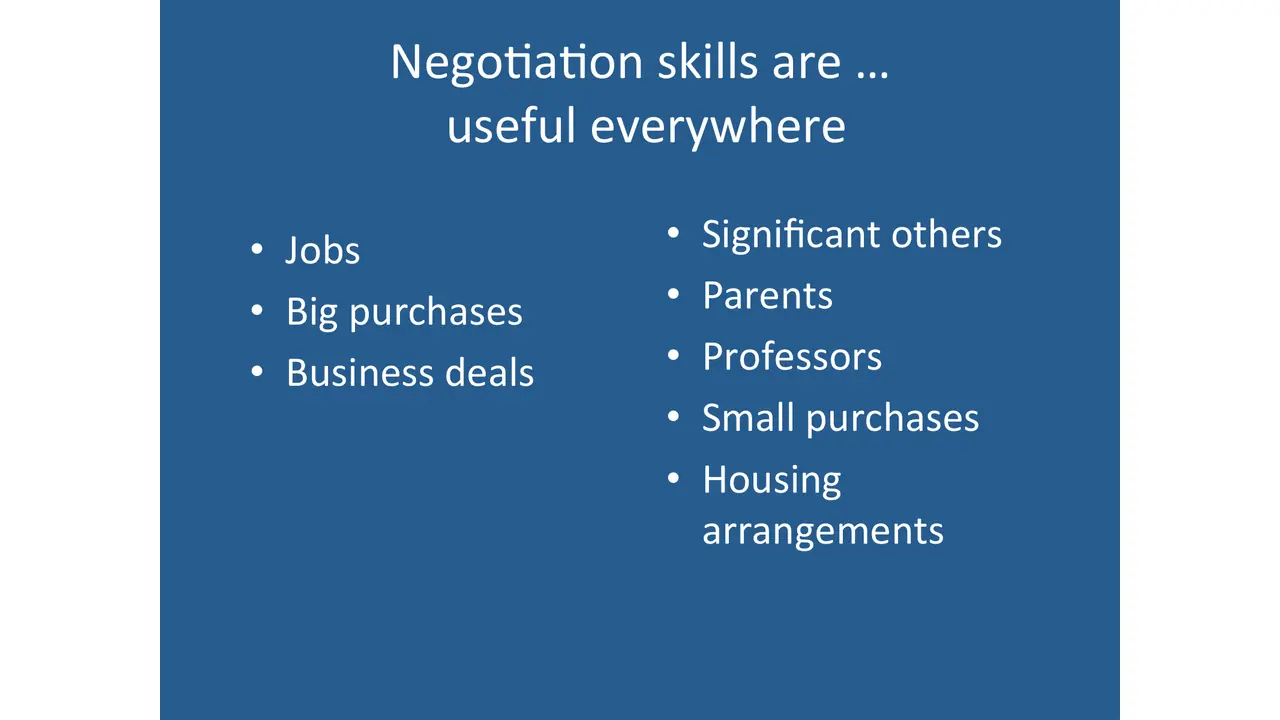
Mon, Jan 14Introduction, and a first negotiation: BioPharm-SeltekNegotiation skills are useful everywhere, from jobs to housing
Major assignments
Real world negotiation paper35%
Plan and carry out a negotiation outside class for anything you would actually be willing to buy or sell, then write it up in 2,000 words or fewer. The best papers built a scoring system for their own interests, estimated the other side's reservation price with honest uncertainty, and were self-critical about what they left on the table.
Post-negotiation journals25%
Three two-page journals over the semester, each sent to the instructor and to the other people in that negotiation. The point was reflection on what you were thinking, not a blow-by-blow account, and the counterpart's journal gave a rare view from the other side.
Pop quizzes15%
Five quizzes through the semester on the readings and concepts.
Attendance and class discussion15%
Every negotiation needs a prepared partner, so missing one without arranging a substitute cost a third of a letter grade.
Negotiation plans10%
A planning document handed in for each in-class negotiation: issues and their values, BATNA, reservation price, target, sources of power, and an opening move.
KitKat trade-up
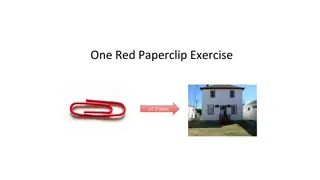
Modeled on the One Red Paperclip story. Each student started with a KitKat and made at least three trades, logging every one, then wrote a one-page analysis of the tactics they used. On the last day the class voted on the best final item. It counted toward participation.