Carnegie Mellon University in Qatar · 2012 to 2016 · Undergraduate
70-323 Empirical Research Methods
70-323
Ask a question about people, design a survey, collect the data, and test it with regression.
About 23 students
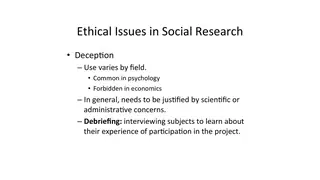
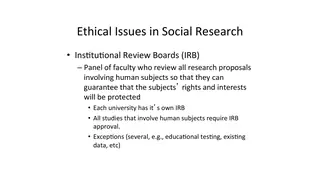
This course taught students to evaluate and run original research on human behavior. Each student picked a question about life in Qatar, wrote a proposal, completed human subjects training, went through IRB review, wrote and piloted a survey, and collected their own data. We covered measurement, scales, sampling, survey design, and experiments along the way, then spent the last weeks on analysis so that every final paper tested its main hypothesis with regression. The semester ended with three days of student research presentations.
Week by week
Spring 2013 · Mondays and Wednesdays. Scroll the schedule and the slides follow along: five from each session, picked from the decks I taught from.
Part I: Designing research
Week 1
Introduction to research designCovered January 14 and 16
Week 2
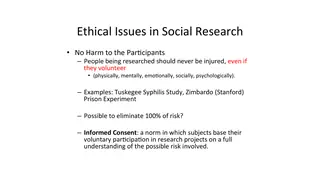
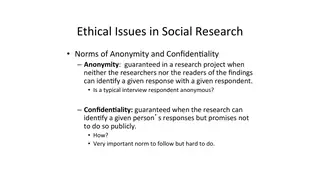
Research ethics
Week 2
Research design
Part II: Measurement
Week 3
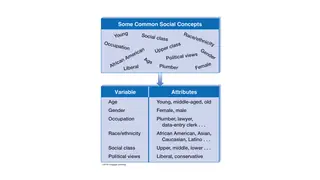
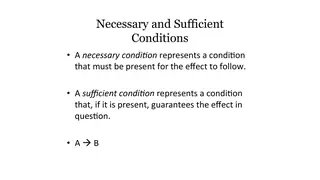
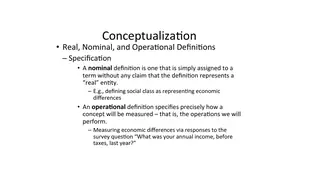
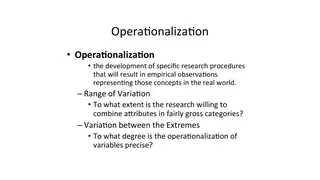
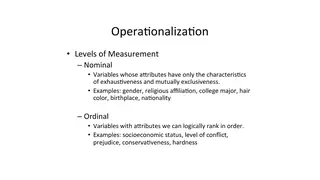
Measurement: conceptualization and operationalization
Week 3
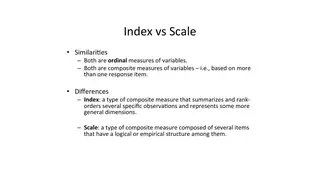
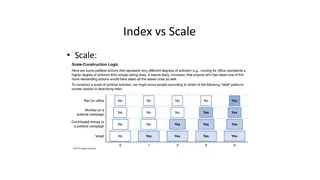
Indexes and scales
Week 4
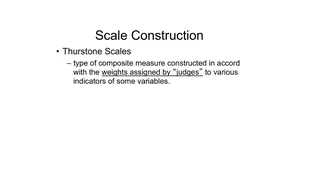
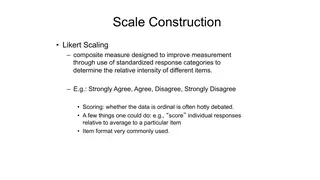
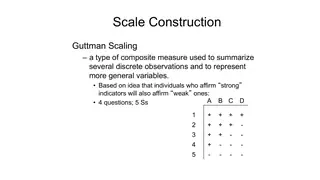
Scale construction
Part III: Sampling and surveys
Week 5
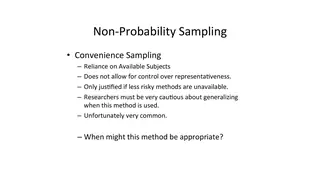
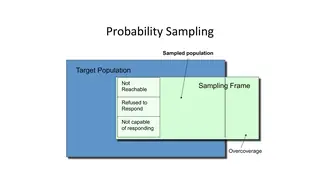
SamplingExam 1 was on February 11
Week 6
Sampling, part 2
Week 6
Survey designIRB forms due
Week 7
Survey workshop: peer review of survey draftsIn-class exercise
Week 8
Spring breakNo class
Part IV: Experiments
Week 9
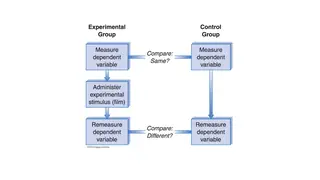
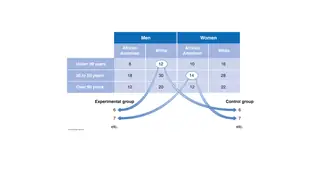
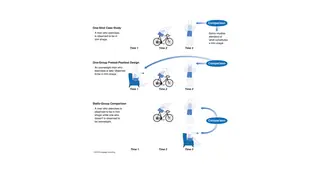
Experimental design
Week 9
Experiments, part 2: validity and settings
Week 10
Evaluation research
Part V: Analysis and presentation
Week 12
Analysis: from survey items to a modelExam 2 was on April 1
Week 13
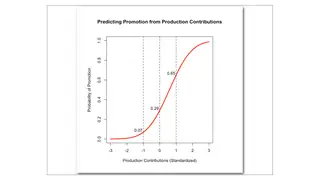
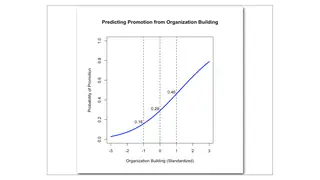
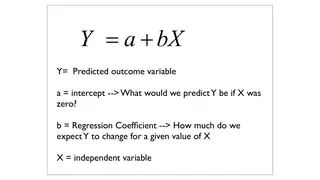
Analysis: distributions and regression
Week 13
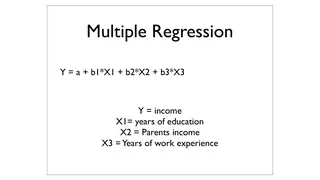
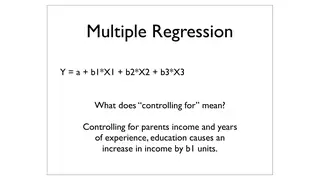
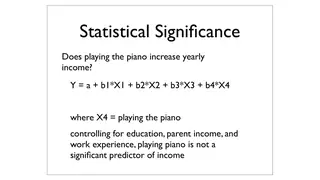
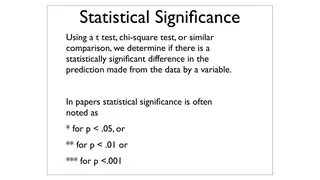
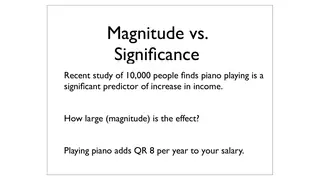
Multiple regression and presenting research
Week 14
In-class analysis in ExcelIn-class exercise
Week 14
Student research presentationsPresentations
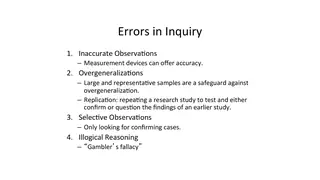
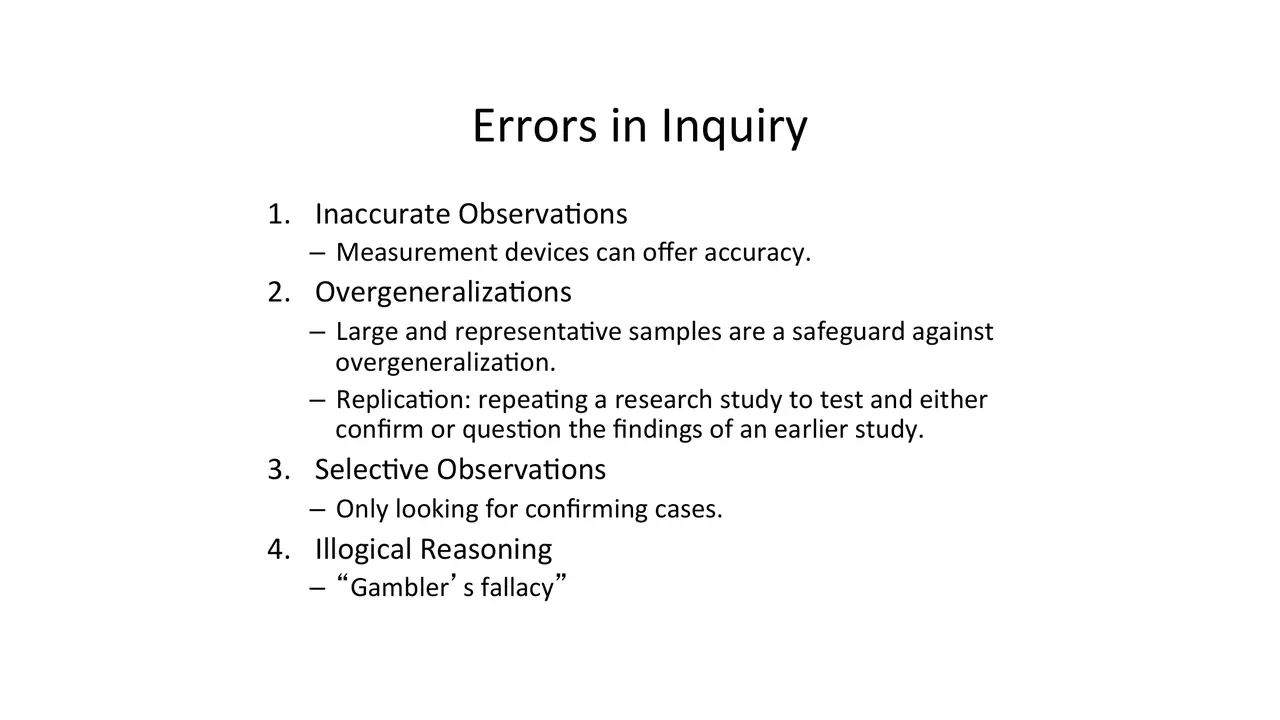
Mon, Jan 14Introduction to research designErrors in inquiry: inaccurate observation, overgeneralization, selective observation
Major assignments
Final research report15%
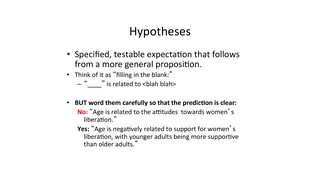
A 2,000 to 2,500 word paper with introduction, literature review of at least three research articles, hypotheses, methods, results, and the survey as an appendix. Every paper had to test its main hypothesis with regression.
Final presentation15%
A short talk on the study and its results, over three days at the end of the semester.
Pilot studies and drafts10%
CITI human subjects training, two proposal drafts, IRB forms, and a survey draft that classmates took and critiqued in class before the final version went out.
Two midterm exams40%
20% each, on research design and measurement, then sampling, surveys, and experiments.
Online quizzes10%
Eight quizzes on the Babbie readings, lowest score dropped.
Participation10%
Attendance by clicker, and in-class design exercises.
Student work
Every project, by term.
Spring 2013: student survey studies 22 projects
Student satisfaction in Education City versus Qatar University. Compared satisfaction at the private branch campuses and the national public university. Survey
School environment and the desire to study. Whether the school environment relates to students' motivation to keep studying. Survey
Employment expectations of CMU Qatar students. Whether nationality, family, and gender shape what students expect after graduation. Survey
First-year friendships. Whether first-year students befriend people who are academically similar or similar in other ways. Survey
Pedestrian safety in Qatar. Whether pedestrians feel safe on Doha's roads, and what urban planners could change. Survey
Mass media and body image. Effects of mass media on body image, eating habits, and exercise. Survey
Attitudes toward weight-loss surgery. Whether people accept surgical methods of losing weight over diet and exercise. Survey
Creativity. What relates to self-reported creativity among students. Survey
Online piracy by students in Qatar. Whether money and the lack of paid alternatives predict how much students pirate. Survey
Extracurricular activities and grades. Whether taking part in extracurricular activities affects academic performance. Survey
Eating habits on and off campus. Whether students living off campus eat more healthily than those in the dorms. Survey
Social capital and academic achievement. Whether relationships with friends and professors relate to grades. Survey
Music and aggression. Whether taste in music relates to aggressive attitudes. Survey
Buying a car in Qatar. Consumer views of the car market and dealers. Survey
Parental control and childhood obesity. Whether parents' control over eating and activity relates to obesity, given high overweight rates in Qatar. Survey
Motivation and academic performance. How student motivation relates to grades. Survey
Sports in university life. What keeps students from taking part in campus sports. Survey
Mobile phone use and academic productivity. Whether heavier phone use goes with lower academic performance. Survey
Social media in Qatar. How people in Qatar use social media. Survey
Internet use and happiness. Whether how often people use the internet relates to depression and happiness. Survey
Why people lie. Whether people with different characteristics tell different kinds of lies. Survey
Gender and computer literacy in Qatar. Whether men and women in Qatar differ in computer literacy. Survey