Carnegie Mellon University in Qatar · 2012 to 2016 · Undergraduate
70-453 Business Technology Consulting
70-453
How consultants think, how they interview, and how technology projects get built and managed.
15 students in 2014 and 7 in 2015
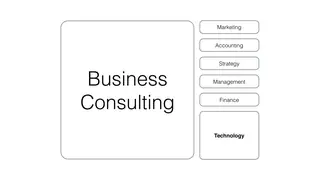
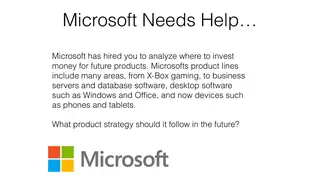
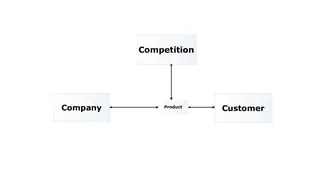
I built this course for CMU Qatar from an older systems analysis and design course, and turned it toward both sides of consulting: the business analysis that consulting firms hire for, and the technology work of designing and running a project. The first half was frameworks and case interviews, with Harvard cases on Deloitte and BCG and live practice cases like Harley-Davidson and a fighter jet division. The second half ran a Harvard change management simulation and then moved into the systems development life cycle, UML, agile, and project management. Students in Business Administration, Information Systems, and Computer Science took it together, and it was built to get them ready for a first-round interview at firms like McKinsey, BCG, Accenture, and Bain.
Week by week
Spring 2014 · Sundays and Tuesdays. Scroll the schedule and the slides follow along: five from each session, picked from the decks I taught from.
Part I: The consulting business
Week 1
Introduction and course overview
Week 1
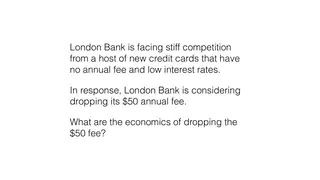
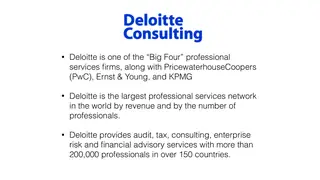
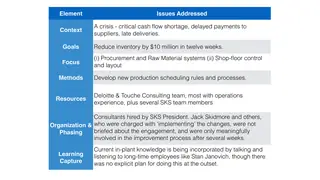
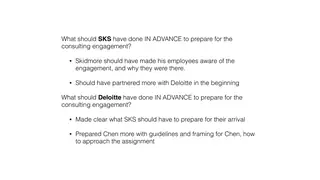
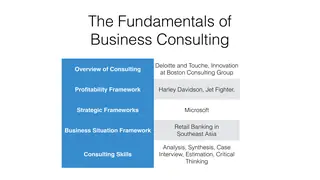
Case: Deloitte & Touche Consulting GroupCase
Week 2
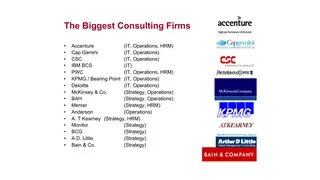
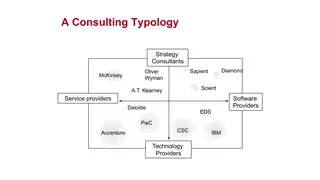
Overview of consulting: firms, roles, and skills
Week 2
Case: Innovation at the Boston Consulting GroupCase
Part II: Business analysis with consulting frameworks
Week 3
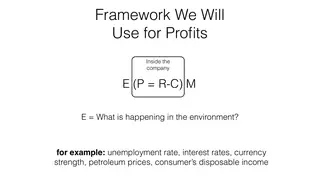
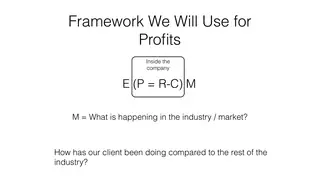
Business analysis using consulting frameworks
Week 3
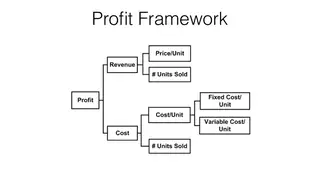
Profitability framework: Harley-DavidsonCase
Week 4
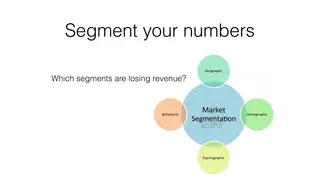
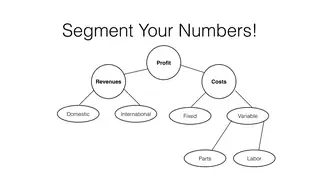
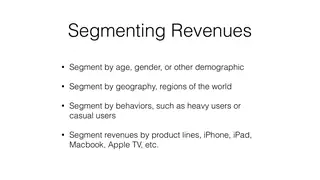
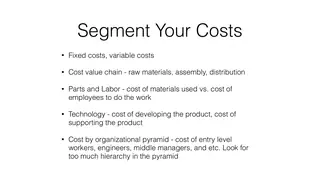
Profitability: the fighter jet case and segmentingCaseThe Feb 2 session was cancelled
Week 5
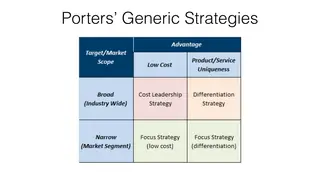
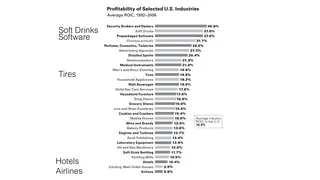
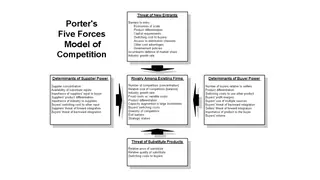
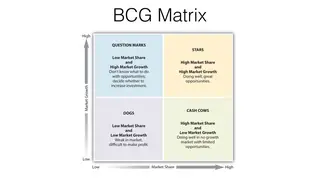
Strategy frameworks: Porter, SWOT, and BCG
Week 6
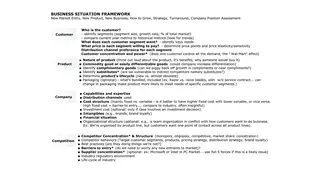
The business situation framework
Week 6
Case: retail banking in Southeast Asia, with a guest speakerCase
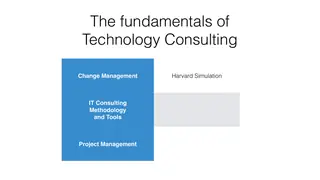
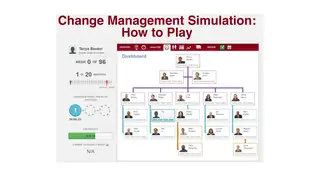
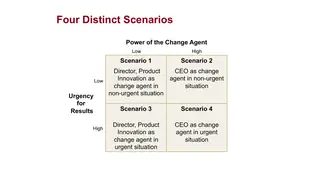
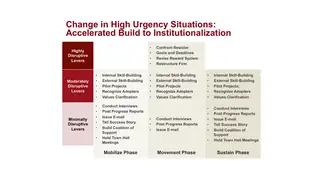
Change management simulation: high urgencyIn-class exercise
Week 10
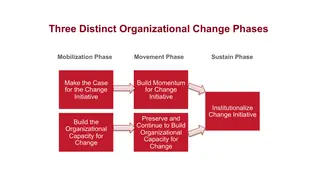
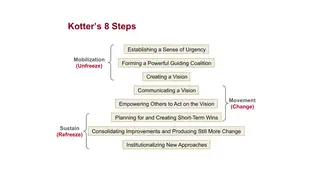
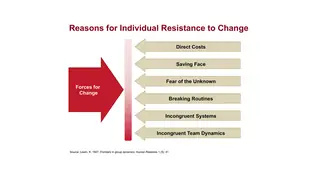
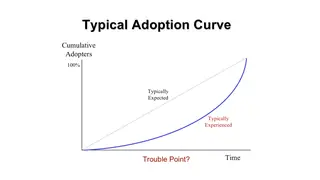
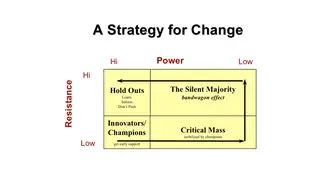
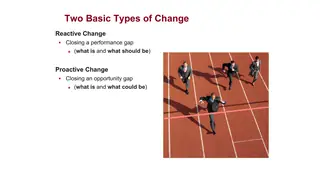
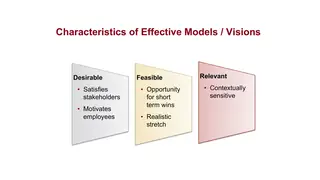
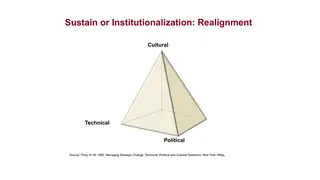
Change management: context, vision, and pace
Part IV: IT consulting methods and project management
Week 11
Systems analysis and design: the SDLC
Week 12
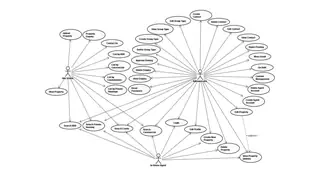
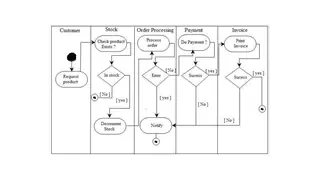
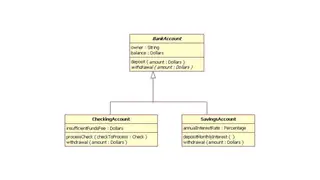
Unified Modeling Language: use cases, activities, and classes
Week 12
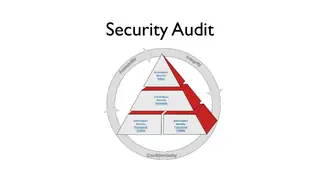
IT security, guest lecture
Week 13
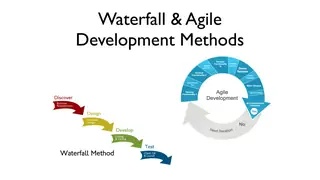
Agile versus waterfallThe deck is almost entirely embedded video
Week 14
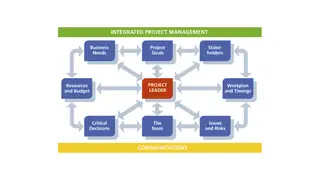
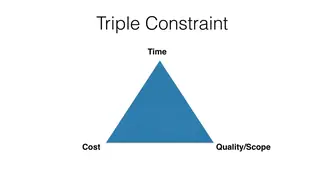
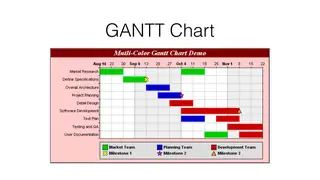
Project management
Week 15
Review
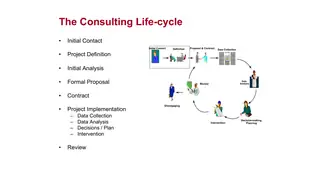
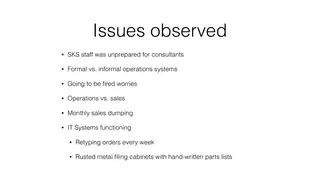
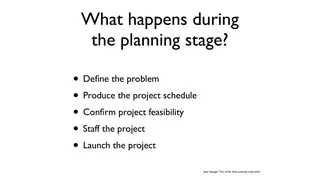
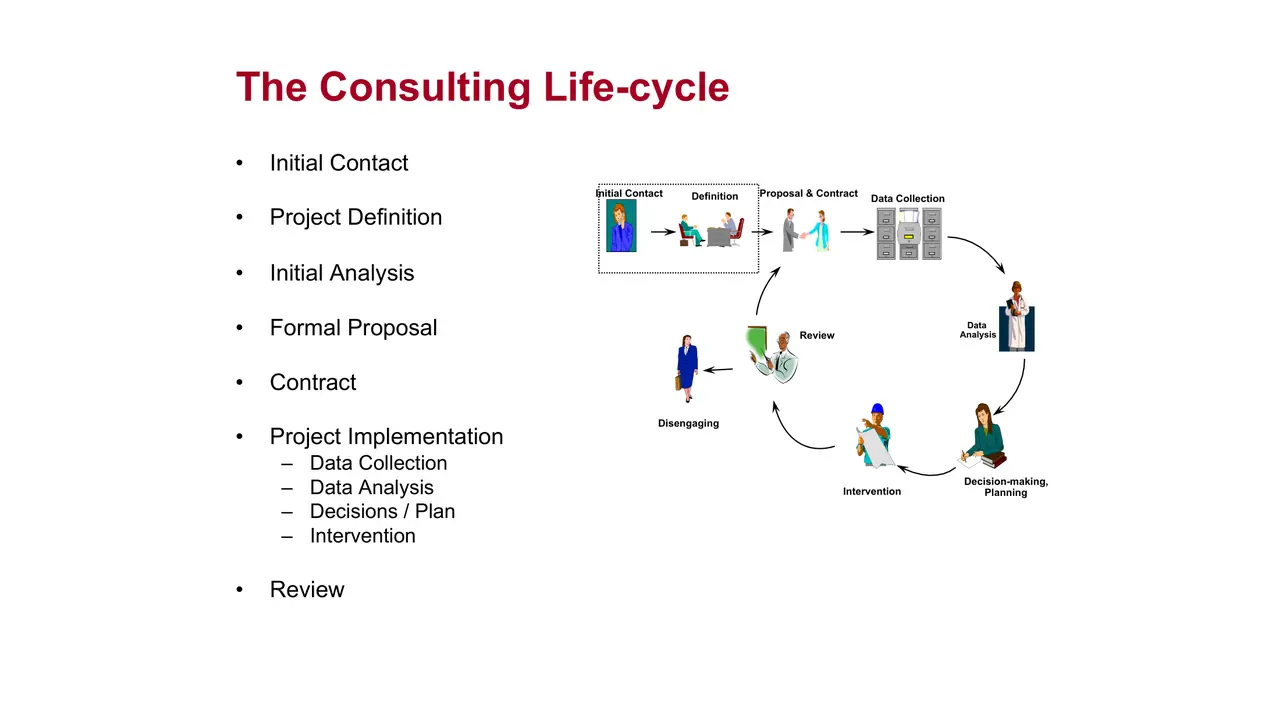
Sun, Jan 12Introduction and course overviewThe consulting life cycle, from first contact to review
Major assignments
Case interviews
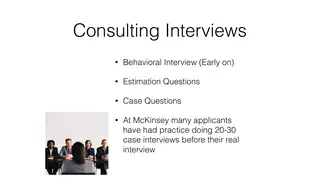
In 2015, each student prepared two interview scripts, ran four case interviews with a partner (two as interviewer, two as candidate), and wrote a three to five page analysis of strengths and improvements for each. A second round followed with a new partner, then a case interview and a behavioral interview with me.
Client project
Teams in 2015 worked through a full engagement for a client inside the university: a client interview graded against a rubric, a five to eight page proposal with a work breakdown structure and cost estimate at set daily rates, a technical design in UML, a user interface design, and a working prototype.
Final consulting project
In 2014, small groups chose a real organization and applied the course frameworks (profit, business situation, SWOT, Porter) to a problem it faced, presented during the final exam period.
Simulations
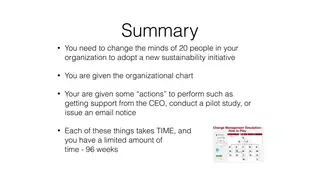
Harvard's change management simulation, run once in a low-urgency and once in a high-urgency scenario, plus project management and strategy simulations in 2015.
Exams
Closed-book exams, one-third short answer and two-thirds consulting case analysis. In 2014 the midterm and final were 30% and 40%; in 2015 a single final was 20%.
Student work
Every project, by term.
Spring 2014: final consulting projects 5 projects
Vodafone Qatar. Looked at Vodafone's launch of Falla, the first Qatari telecom plan aimed at young people, and asked which youth products and services Vodafone should focus on to position itself against Ooredoo. Porter's five forces and a youth-market strategy
Zara. Analyzed Zara's vertically integrated, fast-turnover model, including its single distribution center and weak online presence, and recommended where it should grow next. Business situation framework and SWOT
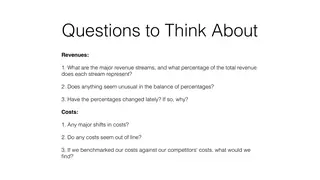
A GCC charity supporting Syrian refugees. The charity raised most of its money through events, an unstable source. The team estimated its revenues and costs and recommended ways to increase donations and build a steadier income. Profit framework, SWOT, and business situation framework
A yoga studio in Doha. Asked how the studio could grow with the market, cross-sell, and attract new customers, and recommended partnerships with sports and hotel facilities, corporate yoga, and better merchandising. SWOT, competitive comparison, BCG matrix, and Porter's five forces
A long-established Doha electronics and video game retailer. Compared revenue and costs from 2011 to 2012, and weighed small stores, limited capital, and the shift to digital games against the store's reputation and locations. Profit analysis from interviews with the general manager and an accountant
Spring 2015: client technology projects 2 projects
Visualizing Twitter for academic assessment. A tool to pull a Twitter stream by search term, sort it into threads, and let an instructor grade students' contributions to discussion outside class. Client interview, proposal, UML design, UI design, prototype
Digitizing negotiation exercises. A web platform, aimed at the iPad, for running classroom negotiation exercises like New Recruit so that results and scoring are immediate instead of done on paper. Client interview, proposal, UML design, UI design, prototype