Exec Ed Business Negotiation and Conflict Resolution
Exec Ed
Three mornings of live negotiation simulations, each followed by a debrief and a short lecture
91 participants from 15 organizations in the November 2014 run
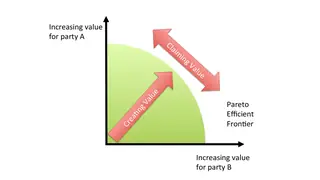
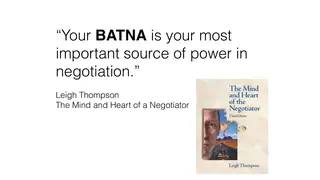
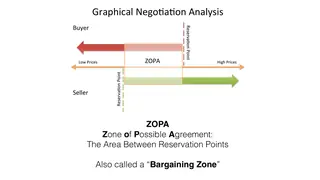
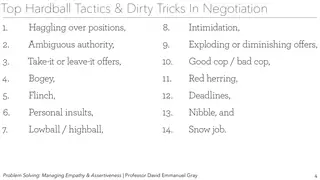
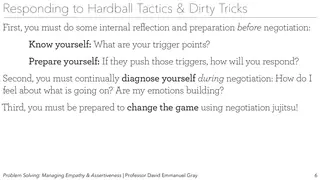
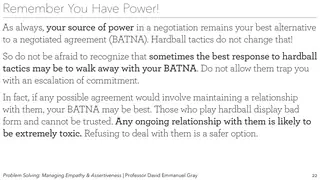
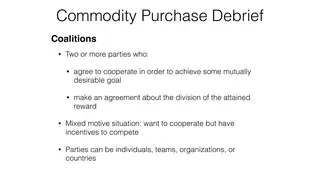
I co-taught this course with philosopher David Emmanuel Gray four times between 2014 and 2016. Each morning starts with a negotiation that participants play against each other in randomly assigned pairs or groups, then we debrief the actual results before any theory. The arc runs from a two-party job offer, to a property deal where the money alone has no zone of agreement, to a six-party commodity auction where coalitions decide who wins. Participants leave with BATNA, ZOPA, reservation and target prices, and a plan for dealing with hard bargainers.
Week by week
Fall 2014 (November 16 to 18) · Three mornings, 8:00 to 1:00, at CMU-Q. Scroll the schedule and the slides follow along: five from each session, picked from the decks I taught from.
Day 1: The job offer
Day 1
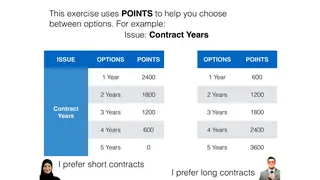
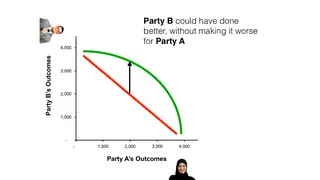
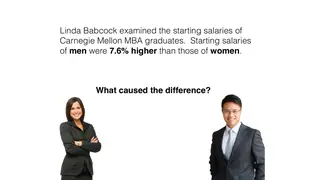
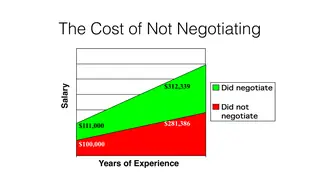
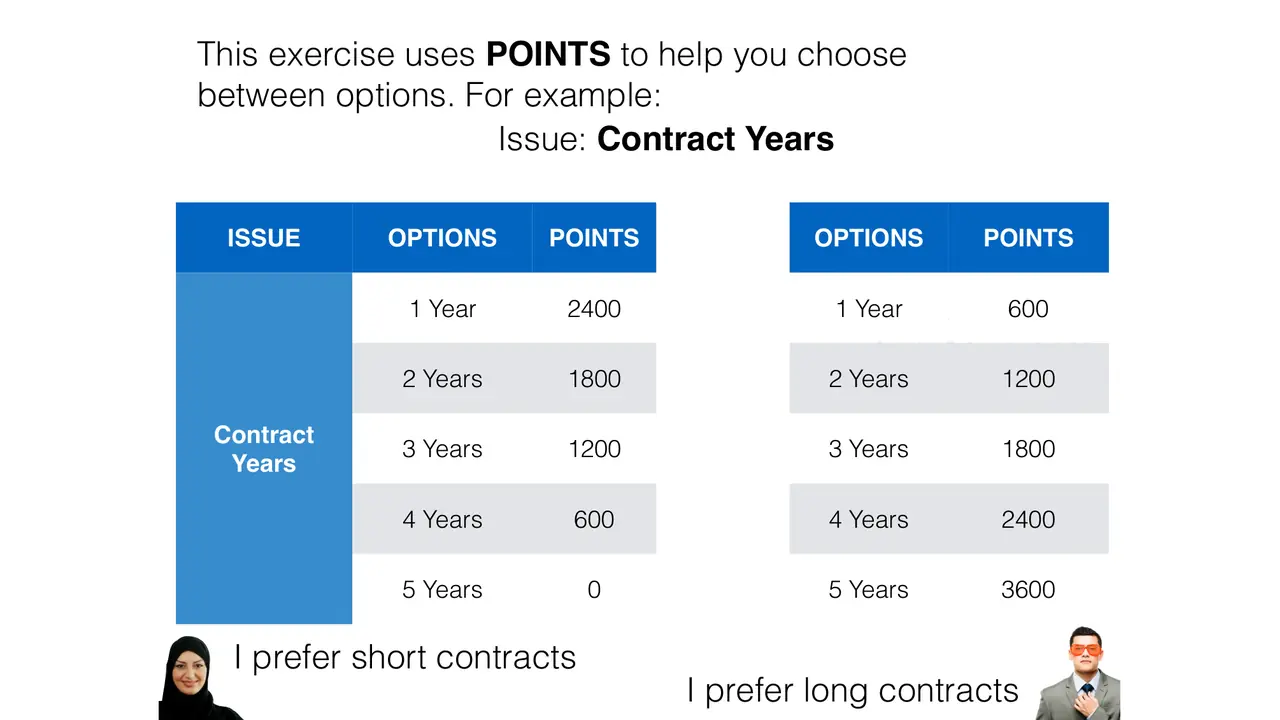
New Recruit: an eight-issue job negotiation and debriefIn-class exerciseRecruiter and candidate pairs negotiate a contract scored in points, then we compare every pair's outcome
Day 1
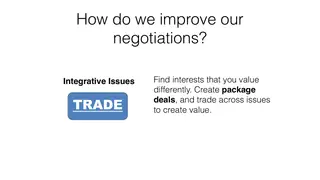
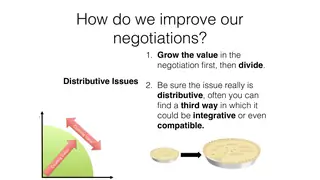
Negotiation tactics for success
Day 2: Problem solving
Day 2
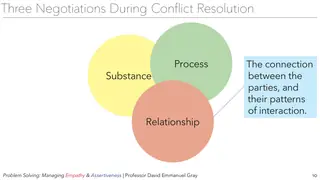
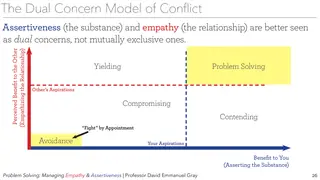
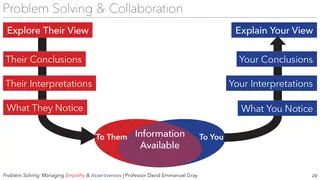
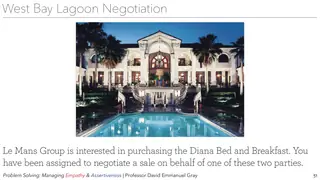
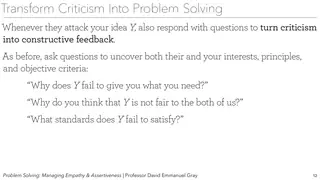
Problem solving: managing empathy and assertiveness, with the West Bay Lagoon property negotiationCaseLecture and debrief led by David Emmanuel Gray
Day 3: Hard bargainers and coalitions
Day 3
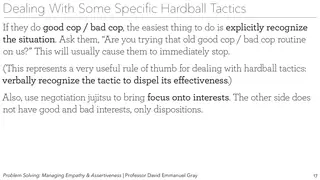
Negotiation jujitsu and the hard bargainerLed by David Emmanuel Gray
Day 3
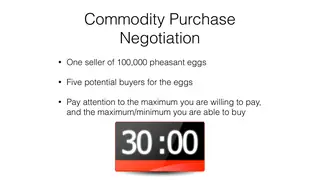
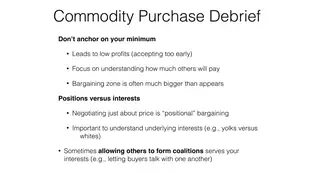
Commodity Purchase: a six-party negotiation over a scarce supplyIn-class exerciseOne seller, five buyers, thirty minutes; debrief by me
Sun, Nov 16New Recruit: an eight-issue job negotiation and debriefEach issue is worth points, and the two sides value them differently
Major assignments
Negotiation simulations
Three graded-by-outcome simulations (New Recruit, West Bay Lagoon, Commodity Purchase). Results from every pair or group go up on the screen in the debrief so participants can see the full range of deals the same facts produced.